How to Get Emergency Medical Insurance After a Hospital Visit in 2026
How to Get Emergency Medical Insurance After Hospital Visit in 2026
🛡️ Fact-Checked & Policy Reviewed
:
This article has been reviewed carefully for accuracy by TheHospitalInfo editorial team, based on official 2026 healthcare policy guidelines set by the Centers for Medicare & Medicaid Services (CMS) and IRS Section 501(r) regulations.
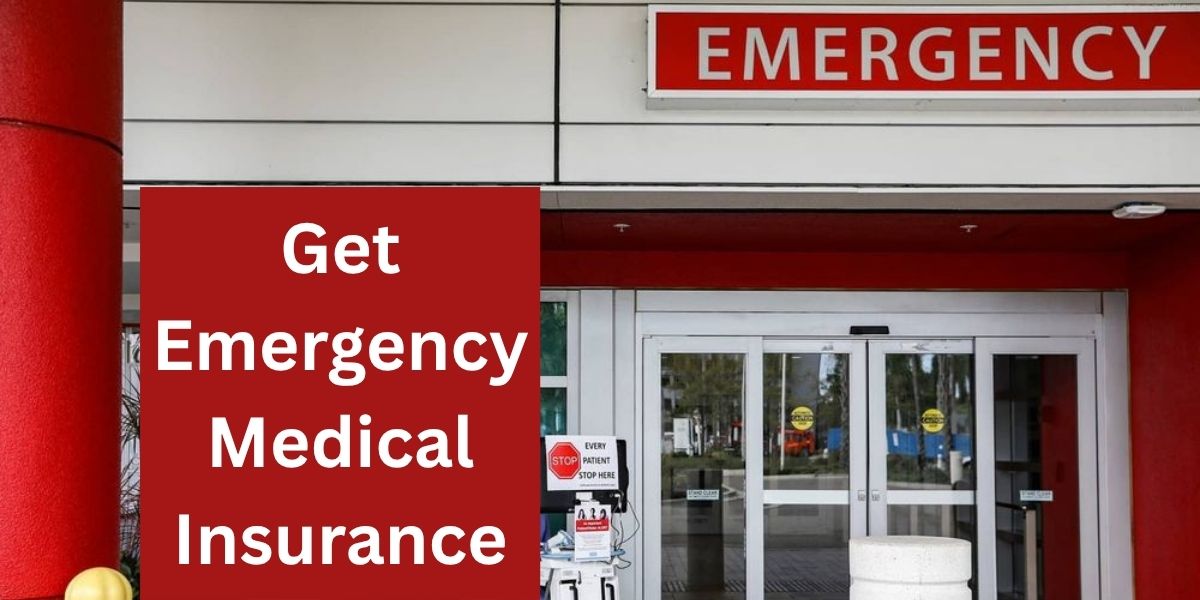
You may face large medical expenses when you suddenly visit an emergency room in the USA. Costs can range from $1,000 to $10,000 or more. If you were uninsured or underinsured during your emergency care, you might be wondering: Can you get medical insurance after a hospital visit to cover past bills?
The short answer is yes, in specific situations. While standard health insurance plans rarely cover past medical events, federal programs, retroactive government coverage, and financial assistance options exist in 2026 to significantly reduce or eliminate your emergency hospital debt.
This comprehensive 2026 guide breaks down the official, step-by-step solutions to secure coverage or financial relief after leaving the hospital.
📊 Estimated Emergency Room Costs in the USA (Insured vs. Uninsured)
| Medical Service / ER Visit Type | With Insurance (Copay/Coinsurance) | Uninsured (Full Cash Price) | Potential Relief Savings |
|---|---|---|---|
| Low-Severity ER Visit (Sprains, Minor Cuts) | $150 – $400 | $1,200 – $2,500 | Up to 100% Discount |
| Medium-Severity ER Visit (Severe Fever, Asthma) | $300 – $800 | $3,000 – $6,500 | Up to 100% Discount |
| High-Severity ER Visit (Chest Pain, CT Scans) | $1,000 – $3,000+ | $8,000 – $20,000+ | Covered Retroactively |
| Inpatient Hospital Stay (Overnight Admission) | $1,500 – $5,000+ | $15,000 – $50,000+ | Covered Retroactively |
Source Data: Cost estimates based on benchmarks from the
Health Care Cost Institute (HCCI) and official policy limits provided by
CMS.gov and
Kaiser Family Foundation (KFF).
1. Apply for Retroactive Medicaid Coverage (Crucial Step)
If you are uninsured and low-income, Retroactive Medicaid is the single most effective way to cover medical bills incurred before you applied for insurance.
How Retroactive Medicaid Works:
Under federal regulations overseen by the Centers for Medicare & Medicaid Services (CMS), Medicaid can retroactively pay for unpaid medical bills received up to 3 months prior to the month you submit your application—provided you met all Medicaid eligibility requirements during those prior months.
- Eligibility Factor: Income limits vary by state, particularly depending on whether your state expanded Medicaid under the Affordable Care Act (ACA).
- What It Covers: Emergency room care, doctor fees, hospital stays, and medically necessary treatments during the 3-month lookback period.
Official Resource: Learn more about state-specific Medicaid rules and apply directly via Medicaid.gov or through your state’s health department.
2. Leverage Hospital Charity Care Programs (Financial Assistance)
Under Section 501(r) of the Internal Revenue Code, all non-profit, tax-exempt hospitals in the United States are legally required to offer a Financial Assistance Policy (FAP)—commonly known as Charity Care.
How Charity Care Can Eliminate Your Hospital Bill:
- Income-Based Relief: If your household income is below 200% to 300% of the Federal Poverty Level (FPL), the hospital may forgive 100% of your medical bill.
- Partial Discounts: If your income is higher, you may still qualify for a sliding-scale discount.
- Timeline: You generally have up to 240 days from the date of your first billing statement to apply for charity care before aggressive collection actions can begin.
Action Step: Contact the hospital’s billing or patient financial services department immediately and ask for a “Financial Assistance Policy Application Form.”
Table 1: Financial Relief & Coverage Options After Emergency Care
| Relief Option | Retroactive Time Limit | Target Income Level | Primary Official Source |
|---|---|---|---|
| Retroactive Medicaid | Up to 90 Days prior to application date | Below 138%–200% FPL (State-dependent) | Medicaid.gov Official Policy |
| Hospital Charity Care (Section 501r) | Up to 240 Days from first billing statement | Free care under 200% FPL; Discounts up to 400% FPL | IRS 501(r) Guidelines |
| No Surprises Act Protection | Applicable immediately upon billing | All insured/uninsured patients | CMS.gov No Surprises Act |
| ACA Special Enrollment Period (SEP) | Within 60 Days of Qualifying Life Event | All income levels (Subsidies up to 400%+ FPL) | HealthCare.gov SEP Rules |
📊 Average Savings on ER Bills by Hospital Relief Method in the USA
100% Off
100% Covered
Up to 40% Off
Up to 25% Off
Medicaid.gov,
IRS 501(r) Policy, and health advocacy studies from
KFF.
3. Qualify for an ACA Special Enrollment Period (SEP)
Standard individual health insurance purchased through HealthCare.gov generally does not pay retroactively for care received prior to your plan’s effective date. However, securing a policy immediately after a hospital visit is critical to prevent future financial strain.
Normally, you can only enroll during Open Enrollment. However, you may qualify for a Special Enrollment Period (SEP) if you experienced a qualifying life event (QLE) within the last 60 days, such as:
- Losing job-based health coverage.
- A change in household size (marriage, childbirth, adoption).
- Moving to a new zip code or state.
- Significant household income changes.
Official Resource: Check if your life change qualifies you for immediate coverage at HealthCare.gov Special Enrollment.
4. Negotiate Emergency Bills Under the No Surprises Act
If you received care at an in-network hospital but were billed by an out-of-network provider (such as an ER physician or anesthesiologist), federal law protects you from surprise medical bills.
The No Surprises Act Protection:
Enacted to protect patients, the No Surprises Act restricts out-of-network providers from balance billing patients for emergency services.
- Your Limit: You cannot be billed more than your in-network cost-sharing amount (copayments, coinsurance, or deductibles).
- Itemized Bill Audit: Always request an Itemized Bill containing CPT (Current Procedural Terminology) coding. Studies reported by leading news outlets show that up to 80% of medical bills contain errors or duplicate charges
Official Resource: Report an illegal surprise billing violation or request assistance via the CMS No Surprises Help Desk.
Step-by-Step Action Plan After Leaving the Hospital
[Hospital Visit Concluded]
│
▼
[Request Itemized Bill with CPT Codes]
│
▼
[Check Eligibility for Retroactive Medicaid]
├── Yes ──► Apply immediately at Medicaid.gov
└── No ──► Apply for Hospital Charity Care (Section 501r)
│
▼
[Enroll in ACA Coverage at HealthCare.gov via SEP for Future Protection]
📌 Related Reading: How to negotiate hospital bills with health insurance in 2026
Table 2: Key USA Medical Debt & Protection Benchmarks
| Benchmark / Rule | Official Metric / Standard | Source Authority |
|---|---|---|
| National Adult Medical Debt Burden | 41% of US adults (approx. $195B+ total) carry medical debt | Kaiser Family Foundation (KFF) |
| Dispute Eligibility Limit (Uninsured) | Billed amount is $400+ over Good Faith Estimate | Consumer Financial Protection Bureau (CFPB) |
| Out-of-Network ER Balance Billing | $0 (Strictly Prohibited under federal law) | Centers for Medicare & Medicaid Services (CMS) |
*Source data provided by official US health policy entities (KFF, CFPB, CMS)
Frequently Asked Questions (FAQ)
1. Can health insurance be backdated to cover an emergency room visit?
Standard commercial health insurance cannot be backdated. However, Medicaid can be backdated up to 90 days prior to your application date if you met income guidelines at the time of care.
2. What happens if I can’t afford my hospital bill and don’t qualify for Medicaid?
You should immediately apply for the hospital’s Charity Care Program. If you do not qualify for complete forgiveness, negotiate an interest-free, extended payment plan based on what you can realistically afford each month.
3. How long do I have to apply for financial assistance after a hospital stay?
Under federal law (IRS 501r), non-profit hospitals must accept financial assistance applications for at least 240 days from the date the first post-discharge billing statement was sent.
4. What is the income limit to qualify for Retroactive Medicaid in 2026?
Income limits for Retroactive Medicaid depend heavily on your state’s decision to expand Medicaid under the Affordable Care Act. Generally, in ACA-expanded states, individuals making up to 138% of the Federal Poverty Level (FPL) qualify, while non-expansion states have much stricter income thresholds. You can verify your state’s exact income limits directly on Medicaid.gov Eligibility Guidelines.
5. Can non-profit hospitals send my emergency medical bill to collections immediately?
No. Under federal IRS tax law, non-profit hospitals are legally prohibited from taking Extraordinary Collection Actions (ECAs)—such as reporting to credit bureaus or garnishing wages—for at least 120 days from the first billing statement. Furthermore, you have up to 240 days to submit a Charity Care application to halt collections. You can review the complete consumer rights under IRS Section 501(r) Regulations.
6. Does medical debt still lower my credit score in the United States?
Recent federal regulations and policies implemented by major US credit bureaus have significantly reduced the impact of medical debt on credit scores. Paid medical debt and unpaid medical bills under $500 are no longer included on standard credit reports. For full consumer rights regarding medical credit reporting, visit the Consumer Financial Protection Bureau (CFPB).
7. Can an emergency room bill be retroactively covered by a short-term health plan?
No. Short-term, limited-duration insurance (STLDI) plans never cover medical expenses retroactively for care received before your plan’s official start date. Unlike Medicaid, private and short-term plans only cover treatments that occur after the policy becomes active. You can check official marketplace rules on HealthCare.gov.
8. How can I dispute an inflated or incorrect emergency room bill?
First, call the hospital’s billing department and request an Itemized Bill with CPT codes. Check each line item for duplicate procedures, unreceived medications, or billing errors. If you are uninsured and the final bill exceeds your Good Faith Estimate by $400 or more, you can initiate a formal dispute through the official CMS No Surprises Act Portal.
Faced with an unexpected Emergency Room (ER) bill? Don’t pay the full balance right away. First, reach out to your hospital’s billing department to request an itemized bill, and check your eligibility for retroactive Medicaid or Charity Care at Medicaid.gov or HealthCare.gov.
Want to learn more about protecting your finances? Read our related guide on How to Negotiate Hospital Bills with Health Insurance in 2026 to lower your out-of-pocket medical expenses.
Disclaimer: The information provided on TheHospitalInfo.com is for general informational and educational purposes only and does not constitute professional legal, financial, or medical advice. Health insurance laws, Medicaid eligibility, and hospital billing policies vary by state and are subject to change. Readers should not rely solely on this content for making financial or coverage decisions and are strongly advised to consult directly with a licensed insurance advisor, qualified legal expert, or the hospital’s patient financial services department regarding their specific situation.

Hi, I’m Nurul Islam Chowdhury (Imran) — the person behind HospitalInfo.
Associate Member, Institute of Cost and Management Accountants of Bangladesh (ICMAB – Associate Member No: A-1607)
Nurul Islam Chowdhury (Imran) holds a Bachelor of Business Administration (BBA) and a Master of Business Administration (MBA) from the University of Chittagong. As a qualified Cost and Management Accountant (CMA), he specializes in financial analysis, cost management, and tax structures. Every piece of tax and financial data in this article has been personally reviewed and fact-checked by him to ensure technical and calculation accuracy based on standard IRS guidelines and 2026 regulations.
My background is in finance and cost management, but for the past few years my real focus has been something more personal: helping everyday Americans make sense of health insurance and hospital bills.
Here’s the thing about healthcare costs in the US — they’re confusing on purpose, or at least it feels that way. A single ER visit can turn into a stack of paperwork nobody explains clearly. That’s the gap I try to fill on this site. I dig into how PIP and MedPay actually work, what happens when health insurance and auto insurance both claim to cover the same bill, how to negotiate a hospital statement instead of just paying it, and how coverage options change year to year.
I’m not a doctor, and I don’t pretend to be. What I bring is a finance-and-numbers lens — reading policy documents, tracking CMS and state-level rules, and translating them into something you can actually use before you’re stuck on the phone with an insurance rep. Every guide here starts from a real question people are Googling at 11 PM with a bill in front of them, and that’s still how I decide what to write next.